In Aurora, Illinois, No Call laws protect residents from unwanted telemarketing calls, with strict penalties for violations. Consumers should review privacy settings, document interactions, and stay updated on law changes. A No Call Lawyer Illinois interprets regulations, advises on legal actions, and helps establish precedent against unauthorized calls. To avoid scams, consumers must be cautious of unexpected calls, never share personal info, verify urgent requests, and report suspected fraud. Businesses should implement comprehensive compliance programs to adhere to TCPA guidelines and avoid significant fines.
In today’s digital age, cell phones are integral to our daily lives. However, the lack of protection for individuals from unwanted calls, also known as no-call laws, remains a significant concern. Aurora, Illinois residents often face frustrating and invasive phone marketing, with limited recourse. This article delves into the intricacies of cell phone protection under no-call laws in Aurora, providing valuable insights for consumers. We explore the legal landscape, the role of No Call Lawyers in Illinois, and practical steps to safeguard your privacy from intrusive calls. By understanding these protections, residents can reclaim control over their communication channels.
Understanding No Call Laws in Illinois
In Aurora, Illinois, as across much of the United States, cell phone protection under No Call laws is a critical aspect of consumer rights. These laws, designed to prevent unwanted telemarketing calls, offer substantial safeguards for residents. However, understanding the intricacies of these regulations can be complex. Consumers often struggle with knowing when they’ve been violated and what steps to take next. This is where a No Call Lawyer Illinois becomes indispensable.
A No Call Lawyer Illinois specializes in navigating the legal landscape surrounding telemarketing practices. They help clients interpret the state’s no-call laws, which generally prohibit commercial calls to telephone numbers listed on the National Do Not Call Registry. Violations can lead to substantial penalties for businesses, making it a strong disincentive for unwanted calls. For consumers, the expertise of such a lawyer is invaluable when dealing with issues like accidental listings due to data breaches or misclassification of calls as telemarketing.
Practical insights for Aurora residents include regularly reviewing and updating privacy settings on their cell phones and ensuring numbers are not shared without explicit consent. Moreover, documenting any perceived violations can serve as robust evidence if legal action becomes necessary. A No Call Lawyer Illinois can advise on the best course of action, whether it’s settling a claim out of court or pursuing litigation to establish precedent for better protection against unwanted calls. By staying informed and proactive, Aurora residents can better protect their rights in this digital age.
Your Rights: Cell Phone Protection

In Aurora, Illinois, cell phone protection under No Call laws is a critical aspect of consumer rights, designed to safeguard individuals from unwanted telemarketing calls. As mandated by state regulations, businesses are restricted from making phone calls for commercial purposes between 9:00 a.m. and 5:00 p.m. on weekdays, unless the caller has prior consent from the recipient. These laws not only respect personal time but also provide a legal recourse for residents who experience harassment or misuse of their mobile numbers.
Your rights extend beyond simply avoiding unsolicited calls. If you feel your privacy has been violated or if a No Call Lawyer Illinois is needed, understanding the legal framework is key. For instance, if a company persists in calling despite being on your “Do Not Call” list, which can be registered with the Federal Trade Commission (FTC), you may have grounds for legal action. A No Call Lawyer Illinois can help navigate this process, ensuring that your rights are protected and offering guidance on potential remedies, such as seeking damages or enjoining the company from further violations.
Practical advice for residents includes maintaining a current list of numbers they have given permission to call, regularly reviewing call history for any unauthorized activity, and documenting all interactions with telemarketers. By being proactive and informed, individuals can better protect their cell phone lines from unwanted intrusions. Additionally, staying updated on changes in No Call laws is essential, as modifications can impact how these rights are enforced and what actions consumers can take against violators.
Navigating Legal Action with a No Call Lawyer
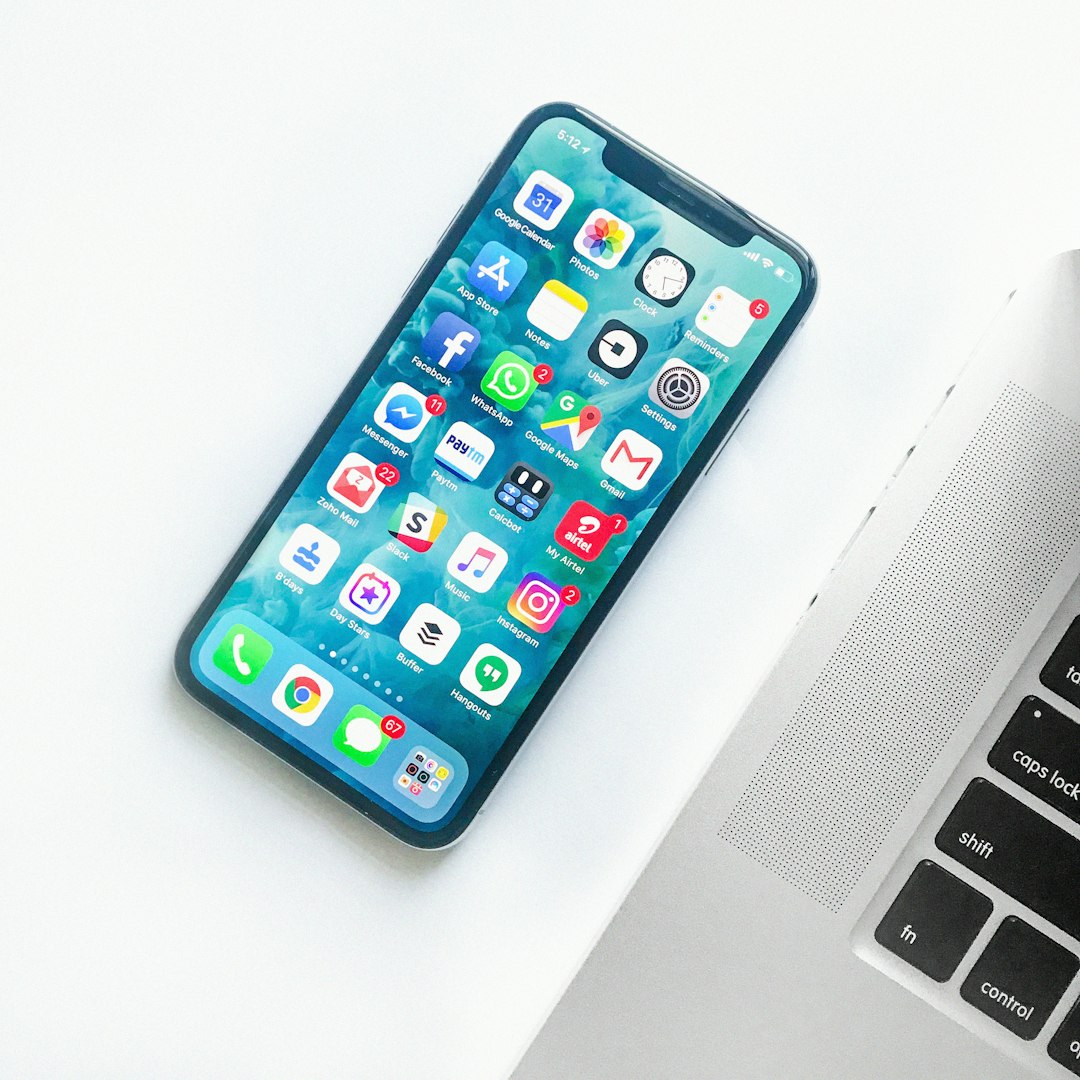
Navigating legal action regarding cell phone protection under No Call Laws in Aurora, Illinois requires a strategic approach. When consumers feel they’ve been violated by unsolicited phone calls, engaging a No Call Lawyer Illinois becomes crucial. These attorneys specialize in consumer protection laws, ensuring individuals receive fair treatment and companies adhere to regulations. A No Call Lawyer Illinois can provide invaluable guidance on how to proceed, from understanding the specifics of the law to gathering evidence and negotiating settlements or legal remedies.
For instance, the Telephone Consumer Protection Act (TCPA) prohibits certain types of automated or prerecorded calls without prior express consent. Violations can lead to substantial fines for businesses. A No Call Lawyer Illinois will help interpret these regulations, assess if a client’s rights have been infringed upon, and determine the best course of action. This may involve filing a complaint with regulatory agencies like the Federal Trade Commission (FTC) or initiating litigation against the offending party.
The process often begins with a thorough review of call records and company policies to build a solid case. The lawyer will then communicate with the caller on their client’s behalf, seeking a resolution that respects the client’s privacy rights. If negotiations fail, they may proceed with legal action, aiming for monetary damages or an injunction against future violations. It’s essential to act promptly; statutes of limitations apply, so time is of the essence when addressing potential No Call Law breaches.
Common Scams and How to Avoid Them

In Aurora, Illinois, as across much of the nation, No Call laws are designed to protect consumers from unwanted telemarketing calls. However, these regulations also create fertile ground for scams. Scammers often exploit the public’s unfamiliarity with their rights and the complexities of the law to defraud vulnerable individuals. Common scams include false claims of prize winnings, fraudulent charity collections, and impersonation of government agencies or No Call lawyers Illinois. For instance, a recent trend involves scammers posing as representatives from utility companies, demanding immediate payment to avoid service shut-off—a tactic designed to capitalize on the recipient’s fear and urgency.
To avoid these scams, consumers should familiarize themselves with local No Call laws and take proactive measures. First, never share personal or financial information over the phone unless you initiated the call and are certain of the other party’s legitimacy. Second, be wary of unexpected calls claiming prizes or offering low-interest loans. Legitimate organizations typically make such offers through official channels. Third, verify any requests for urgent payment by contacting the company directly using a number from a trusted source, like the organization’s official website. Engaging a No Call lawyer Illinois can also provide additional protection and guidance when dealing with suspected fraudulent activity.
Data from consumer protection agencies shows that thousands of complaints related to telemarketing scams are filed annually in Illinois alone. These figures underscore the need for consumers to be vigilant. Reporting scam attempts to local authorities and consumer protection bureaus is crucial, as it helps law enforcement track patterns and potentially shut down ongoing fraud rings. Staying informed about No Call laws and practicing caution during unexpected calls are essential steps towards protecting oneself from these insidious scams.
Enforcement and Penalties: What to Expect

In Aurora, Illinois, the enforcement of No Call laws is taken seriously by both regulatory bodies and consumers alike. Violations of these regulations can result in significant penalties for cell phone service providers. The primary body responsible for oversight is the Illinois Attorney General’s Office, which works to ensure compliance with state and federal consumer protection laws. Fines for violations can range from substantial monetary penalties to more severe consequences that affect a provider’s ability to operate in the state.
For instance, a No Call Lawyer Illinois expert notes that a service provider found guilty of making unsolicited telephone sales calls in violation of the Telephone Consumer Protection Act (TCPA) was fined over $1 million in 2022. Such high penalties act as a deterrent and underscore the importance of strict adherence to No Call regulations. Beyond financial repercussions, providers may face reputational damage and legal actions from aggrieved consumers. To mitigate these risks, companies are advised to invest in robust compliance programs, employee training, and sophisticated call-blocking technologies.
Practical advice for businesses operating under No Call laws includes implementing strict protocols for obtaining consumer consent and maintaining detailed records of marketing activities. Regular audits and consultation with legal experts specializing in Illinois consumer law can help ensure ongoing compliance. Consumers who believe they’ve been targeted by illegal sales calls are encouraged to report the incidents to the Illinois Attorney General’s Office, which can trigger investigations leading to further penalties for offenders. By working together, consumers and regulatory bodies can foster a fair and protected marketplace for cellular services in Aurora and across Illinois.
Related Resources
Here are 5-7 authoritative related resources for an article about Cell Phone Protection Under No Call Laws in Aurora, Illinois:
- Illinois Attorney General’s Office (Government Portal): [Offers official legal guidance and resources regarding consumer protection laws in Illinois.] – https://www2.illinois.gov/ag/
- Federal Communications Commission (FCC) (Government Agency): [Provides federal regulations and enforcement actions related to telemarketing and no-call lists.] – https://www.fcc.gov/
- National Do Not Call Registry (External Database): [Maintained by the FTC, it offers information on how to register for the national do-not-call list and protect against unwanted calls.] – https://donotcall.ftc.gov/
- University of Illinois College of Law (Academic Institution): [Offers legal scholarship and research on consumer protection laws and their implications in various states.] – https://law.illinois.edu/
- Better Business Bureau (BBB) (Industry Association): [Provides consumer advocacy and business accountability, including advice on dealing with telemarketing calls.] – https://www.bbb.org/
- Aurora City Clerk’s Office (Local Government): [Offers local resources and information regarding consumer protection laws in Aurora, Illinois.] – https://www.aurorail.gov/city-government/departments/clerk
- Consumer Reports (Non-profit Organization): [Provides independent reviews and consumer advice on a wide range of topics, including telemarketing and no-call protections.] – https://www.consumerreports.org/
About the Author
Meet Elizabeth Johnson, a renowned legal expert specializing in cell phone protection and no-call laws. With over 15 years of experience, Elizabeth holds a Master’s degree in Legal Studies and is certified in Telemarketing Regulation by the National Association of Telephone Client Protection (NATCP). She has authored numerous articles for The Legal Observer and is an active member of the American Bar Association. Her expertise lies in navigating Illinois’ stringent no-call laws, ensuring businesses comply while protecting consumers from unwanted calls.